Dead Appliances Don't Lie: What's Really Killing Cincinnati Kitchen Equipment Before Its Time
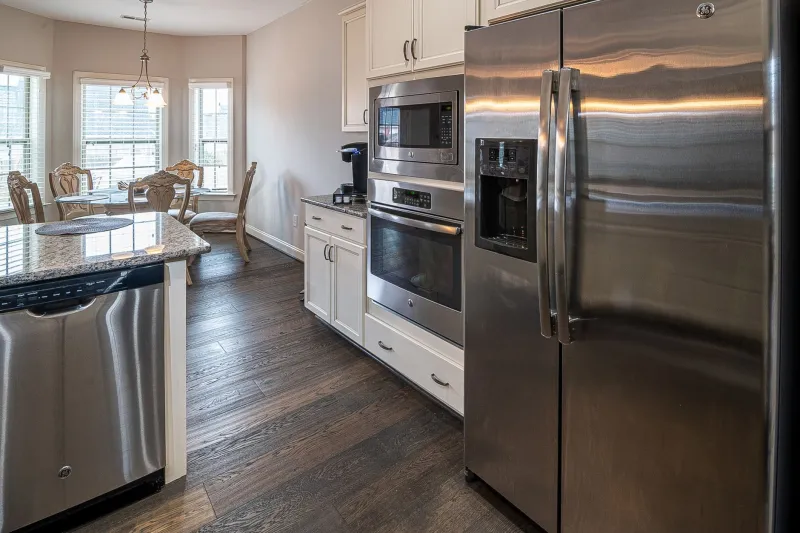
You bought a brand-new refrigerator three years ago. Top-rated model, solid warranty, the works. And now it's making a noise that sounds like a small animal is trapped inside the compressor. The repair tech gives you that look — the one that says this isn't worth fixing — and suddenly you're back at the appliance store, credit card in hand, wondering what went wrong.
This is happening a lot in Cincinnati. More than it should.
Local appliance repair specialists say they're seeing premature failures with surprising regularity, and the reasons behind it go well beyond manufacturing defects or bad luck. There are specific, regional factors at play that most homeowners never hear about — not from the sales floor, not from the installation crew, and definitely not from the warranty paperwork.
So let's talk about what's actually going on.
Cincinnati's Water Is Quietly Wrecking Your Appliances
Hard water is a known issue throughout the Greater Cincinnati area. The Ohio River watershed delivers water with elevated mineral content — calcium, magnesium, and other dissolved solids — and while it's perfectly safe to drink, it's genuinely rough on appliances over time.
Dishwashers are the most obvious victims. Mineral deposits build up inside the spray arms, along heating elements, and in the pump housing. Over time, those deposits restrict water flow, force the motor to work harder, and accelerate wear on components that were designed to last a decade or more. Homeowners often blame the dishwasher itself when the real culprit is the water it's running on.
Refrigerators with ice makers and water dispensers face similar problems. The internal filters help, but they don't catch everything — and most people aren't changing them on schedule. Mineral buildup in the water lines can restrict flow enough to trigger error codes, damage the ice maker mechanism, or cause the compressor to run longer than it should to compensate.
The fix isn't complicated, but it requires consistency. Descaling your dishwasher every couple of months with a citric acid cleaner, changing your refrigerator's water filter on schedule, and seriously considering a whole-home water softener if you're investing in high-end appliances — these aren't optional extras in Cincinnati. They're basic maintenance.
Humidity Swings Are a Bigger Deal Than You Think
Cincinnati's climate is legitimately punishing. Hot, humid summers followed by cold, dry winters create a cycle of humidity swings that most people associate with wood floors warping or paint peeling — but the same conditions affect appliances, especially those with electronic control boards.
Moisture infiltration into control panels is one of the more common causes of premature appliance failure that repair techs see locally. It's not dramatic — no flooding, no obvious water damage. It's just ambient moisture working its way into sensitive electronics over time, causing corrosion on circuit boards and connection points. Refrigerators, ranges with digital controls, and high-tech dishwashers are all vulnerable.
Proper kitchen ventilation matters here more than most homeowners realize. A range hood that actually exhausts to the outside (not just a recirculating filter) pulls cooking steam and humidity out of the kitchen before it has a chance to settle into your appliances. It's one of those upgrades that pays for itself in ways that never show up on a single line item.
Installation Mistakes That Come Back to Bite You Later
Here's an uncomfortable truth: a lot of appliance failures that look like product defects are actually installation errors that took a year or two to fully manifest.
Refrigerators need adequate clearance on all sides to ventilate properly. Slide one too tight into a cabinet surround and the condenser coils can't dissipate heat efficiently. The compressor compensates by running longer and hotter. Eventually, it gives out — usually just outside the warranty window, which is a frustrating coincidence that isn't actually a coincidence.
Gas ranges require proper pressure and a correctly sized supply line. An undersized line can cause burners to underperform, leading homeowners to crank settings higher than they should, which stresses igniters and valve components over time. Dishwashers installed without proper leveling put uneven stress on the door latch and tub seals. Even a slight tilt can cause water to pool in places it shouldn't, accelerating rust and seal degradation.
The takeaway: if you're having appliances installed as part of a kitchen renovation, make sure the crew doing it is specifically experienced with appliance installation — not just general construction. It's worth asking the question directly.
The Warranty Gap Nobody Warns You About
Most kitchen appliances come with a one-year parts and labor warranty. Some manufacturers offer extended coverage on specific components — compressors on refrigerators, for instance, often carry a five-year warranty. But the gap between what's covered and what actually goes wrong is wider than most homeowners expect.
Control boards, for example, are frequently the first thing to fail on modern appliances — and they're among the most expensive components to replace. On a high-end range or a smart refrigerator, a control board replacement can run $400 to $800 in parts alone, before labor. Many manufacturers cover these for only the first year.
Extended warranty plans from retailers get a bad reputation, and sometimes that's fair. But local appliance repair specialists suggest that for appliances over $1,000, a reputable third-party extended warranty — not the retailer's in-house plan — can genuinely be worth the cost, particularly for control-board-heavy modern units. The key is reading the exclusions carefully before you sign.
Maintenance Habits That Actually Extend Appliance Life
The repair techs we spoke with were consistent on a few points. These aren't revolutionary tips — but they're the ones that actually move the needle on how long your appliances last.
Clean the refrigerator condenser coils. Twice a year, pull the fridge out and vacuum the coils on the back or underneath. Dust-clogged coils make the compressor work harder. This single habit can add years to a refrigerator's life.
Run a hot water tap before starting the dishwasher. This ensures the machine fills with already-hot water from the start of the cycle, reducing the load on the internal heating element.
Check your range's drip pans and burner ports regularly. Clogged burner ports on gas ranges cause uneven flames that stress igniters. On electric ranges, damaged drip pans can cause arcing that damages the cooktop surface.
Don't ignore small error codes. Modern appliances communicate when something's off. A minor error code that you dismiss for six months can indicate a developing problem that becomes a major failure. Look it up, or call a tech.
The Bottom Line for Cincinnati Homeowners
Premature appliance failure in Cincinnati isn't random bad luck. It's usually a combination of regional water quality, climate conditions, installation shortcuts, and skipped maintenance — factors that are genuinely manageable once you know they exist.
Before you spend $2,000 on a new refrigerator to replace one that failed at age four, it's worth having a qualified local tech diagnose what actually went wrong. Sometimes the answer is a $150 repair and a changed maintenance habit. Sometimes replacement really is the right call. But going in informed — knowing what your water is doing, how your kitchen ventilates, and what your warranty actually covers — puts you in a much better position than most Cincinnati homeowners are when they walk into that appliance showroom.