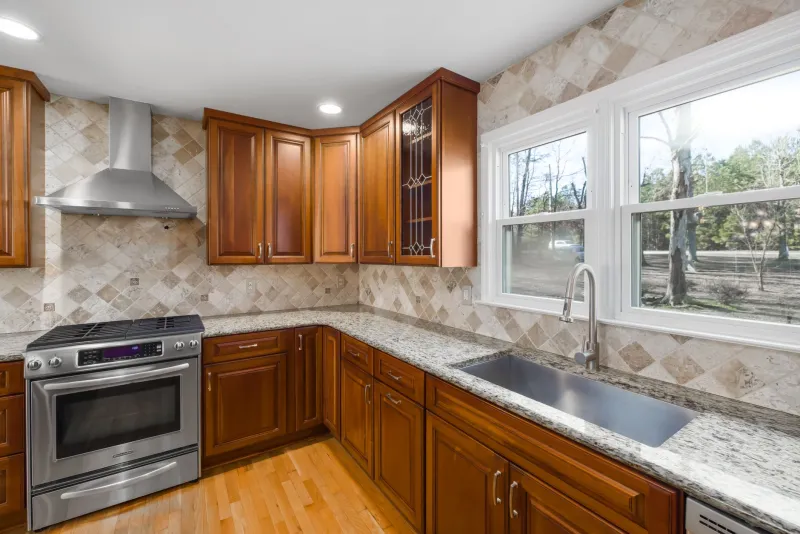
Sweating Walls and Warped Cabinets: Cincinnati's Hidden Kitchen Moisture Crisis
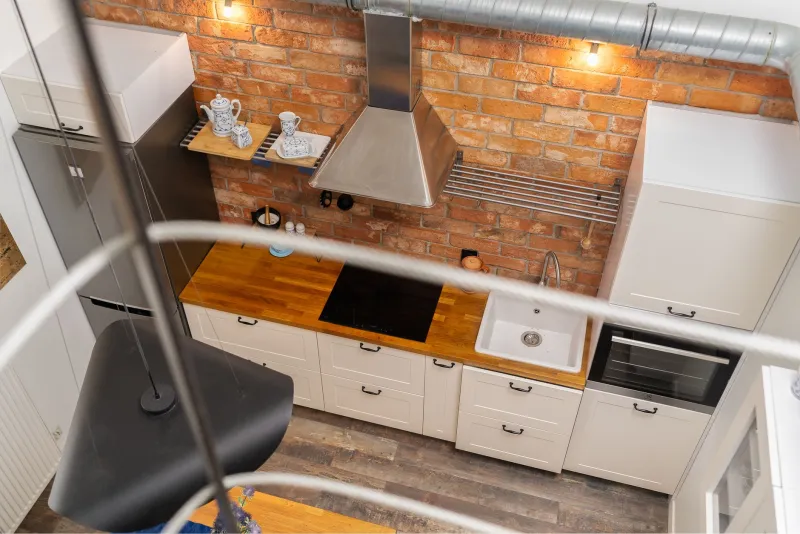
You spent good money on that renovation. New cabinets, fresh countertops, maybe a shiny new range. Six months later, the cabinet doors aren't closing quite right. There's a soft spot near the sink. And something in the corner smells faintly like a basement after a rainstorm.
Welcome to one of Cincinnati's least-talked-about kitchen problems: moisture damage from inadequate ventilation.
It's not the flashiest topic. Nobody's posting Instagram reels about their exhaust fan CFM ratings. But if you're planning a kitchen renovation in the Queen City — or you've already finished one — understanding how this city's climate interacts with your kitchen is genuinely important. Because what works fine in Phoenix or Denver can quietly destroy a Cincinnati kitchen over a few short years.
Why Cincinnati Is Especially Tough on Kitchens
Let's start with the weather, because it matters more than most people realize. Cincinnati sits in a humid continental climate zone, which is a fancy way of saying the city gets hit from both directions. Summers here are legitimately muggy — the Ohio River valley traps heat and moisture in ways that make the air feel thick from June through September. Then winters bring cold, damp stretches that drive condensation into any surface that experiences a temperature difference.
That combination — hot and humid in summer, cold and damp in winter — creates what building scientists call a "mixed climate" challenge. Your kitchen is already a moisture-generating machine on its own. Boiling pasta, running the dishwasher, washing produce, even breathing — all of it adds water vapor to the air. Layer Cincinnati's outdoor humidity on top of that, and you've got a space that's fighting a constant battle against excess moisture.
Standard contractor recommendations often treat ventilation as a checkbox item. Get a range hood, make sure it vents outside, move on. That's fine for a lot of places. In Cincinnati, it's frequently not enough.
The Cabinet Problem Nobody Warns You About
Wood — even sealed, finished, cabinet-grade wood — is hygroscopic. That means it absorbs and releases moisture based on what's happening in the surrounding air. In a kitchen that's cycling between high humidity and dry heating-season air, cabinets are constantly expanding and contracting.
Over time, that movement causes joint failures. Doors warp. Drawer faces gap. Finishes crack. And once moisture gets past the finish into the substrate — especially in lower-cost cabinets built from particleboard or MDF — you're looking at swelling that doesn't reverse. The damage is permanent.
Here's the frustrating part: this kind of damage often doesn't show up immediately after a renovation. It takes a season or two to develop. By the time a homeowner notices the problem, the contractor is long gone and the warranty conversation gets complicated fast.
Where Ventilation Actually Falls Short
So what's going wrong? A few common issues show up again and again in Cincinnati kitchens.
Underpowered range hoods. The general rule of thumb is 100 CFM (cubic feet per minute) of airflow for every 10,000 BTUs your range produces. But that formula doesn't account for a kitchen that's already dealing with elevated ambient humidity. In Cincinnati, especially during July and August, you often need to size up.
Recirculating hoods in the wrong kitchens. Ductless range hoods that filter and recirculate air are better than nothing, but they don't actually remove moisture — they just clean the air and push it back into the room. In a Cincinnati kitchen without great cross-ventilation, that means steam from cooking stays in the space. If you're doing a renovation and there's any way to run actual ductwork to the exterior, do it.
Ductwork that terminates in the wrong place. This one's sneaky. Some installations vent into the attic or into a wall cavity rather than all the way to the exterior. It seems like it's working — the hood is pulling air — but that moisture is just relocating to somewhere you can't see, where it's quietly doing damage to insulation, framing, and sheathing.
No makeup air. Tighter homes, especially those that have been recently insulated or weatherized, can develop negative pressure when a powerful range hood runs. That negative pressure pulls air in from wherever it can find it — including crawl spaces and wall gaps. Some Cincinnati renovations add high-powered hoods without addressing makeup air, which creates its own set of problems.
What Actually Works in the Queen City
The good news is that none of this is unsolvable. It just requires thinking about ventilation as a system rather than a single appliance.
For most Cincinnati kitchens, a ducted range hood sized at 20-25% above the minimum BTU-based calculation is a reasonable starting point. If you're cooking on a gas range with high-output burners, go bigger. The goal is to clear moisture and combustion byproducts quickly, before they can settle into surfaces.
Pair that with a bathroom-style exhaust fan near the sink if your layout allows it — this is an underused trick that makes a real difference. The dishwasher and sink are just as significant a source of moisture as the range, and they're often not near the hood at all.
For homes with very tight envelopes, talk to your contractor about makeup air solutions. These can range from simple passive vents to powered systems that balance the pressure differential when the hood runs.
And don't overlook the cabinet materials themselves. Solid wood and plywood-based cabinets handle humidity cycling better than particleboard alternatives. If you're specifying cabinets for a Cincinnati kitchen, it's worth asking your supplier or contractor directly about substrate materials — especially for lower cabinets near the sink.
The Conversation to Have Before You Sign
If you're in the planning stages of a kitchen renovation, ventilation deserves a real conversation with your contractor — not just a line item on the quote. Ask specifically how they're sizing the hood for your range's output. Ask where the ductwork terminates. Ask whether your home's insulation level might affect makeup air.
A contractor who's done a lot of work in Cincinnati should already be thinking about these things. The Ohio River valley's climate is distinctive enough that experienced local pros tend to develop an intuition for it. But it's still worth raising the question directly, because ventilation is one of those categories where the cheapest adequate solution and the right solution for this specific city aren't always the same thing.
Your cabinets will thank you. So will your nose.