Kitchens That Echo: The Sound Problems Cincinnati Renovators Keep Ignoring
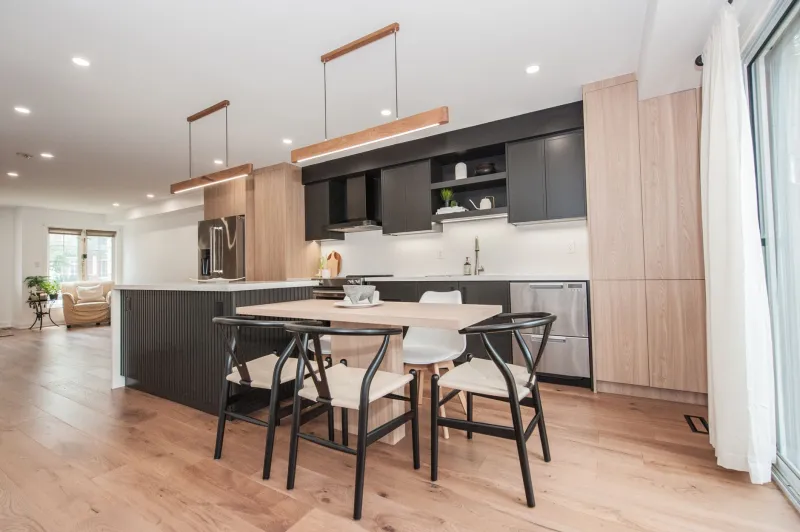
You did everything right. Picked the quartz countertops, upgraded to that beautiful tile backsplash, maybe even swung for hardwood floors to tie the whole space together. The kitchen looks incredible. And then you turned on the dishwasher, dropped a spoon, and suddenly felt like you were living inside a tin can.
Welcome to one of Cincinnati's most overlooked renovation regrets: the noisy kitchen.
Acoustics almost never make it onto a homeowner's renovation checklist. We obsess over cabinet finishes and pendant lighting and whether the island is the right size. Sound? That's an afterthought—if it's a thought at all. But for a lot of Cincinnati homeowners, especially those in the older housing stock throughout neighborhoods like Hyde Park, Oakley, and Clifton, the post-reno kitchen turns into an echo chamber that makes everyday life genuinely exhausting.
Let's talk about why this happens and, more importantly, what you can actually do about it.
Why Cincinnati Kitchens Are Particularly Bad at This
Older Cincinnati homes weren't built with open-concept living in mind. A lot of them had small, enclosed kitchens—walls on all sides, maybe a door to the dining room, compact footprints that kept sound contained. Then came the renovation wave that knocked down walls, merged kitchens with living spaces, and suddenly all that noise had nowhere to go except everywhere.
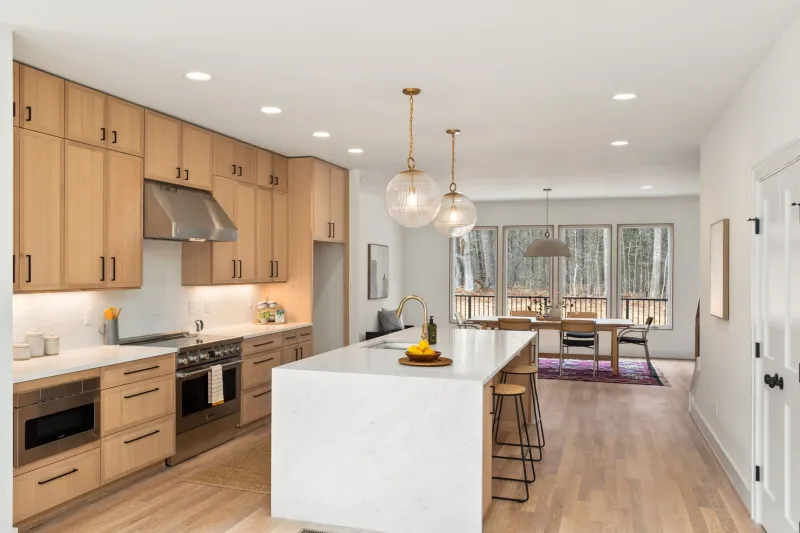
Here's the physics side of it: sound bounces off hard surfaces. And a modern renovated kitchen is basically a collection of hard surfaces. Quartz countertops. Porcelain tile floors. Glass cabinet fronts. Painted drywall. Stainless steel appliances. Every one of those materials reflects sound waves instead of absorbing them, and when you stack them all in one space, noise multiplies fast.
Add in the ambient sounds that are just part of kitchen life—the refrigerator compressor humming, the range hood roaring, the dishwasher churning, cabinet doors closing, kids talking over each other at dinner—and you've got yourself an acoustic nightmare that no amount of pretty tile can fix.
The Specific Culprits Worth Calling Out
Not all kitchen sounds are created equal, and it helps to know which ones are doing the most damage to your sanity.
Range hoods are often the biggest offender. Homeowners upgrade to powerful ventilation without realizing that CFM (cubic feet per minute) ratings come with a direct noise tradeoff. The more powerful the hood, the louder it runs. If yours sounds like a small aircraft taking off, you either need a quieter model or better ductwork routing—or both.
Dishwashers are sneaky. Budget models and even some mid-range options can rattle and hum loudly enough to interrupt a conversation two rooms away. The decibel rating on a dishwasher actually matters, and it's worth paying attention to before you buy.
Flooring underlay (or the lack of it) is a big one that almost nobody talks about. Hardwood and luxury vinyl plank floors look great in kitchens, but without proper underlayment, every footstep and dropped utensil reverberates through the floor and into the walls. In multi-story homes, this also means the people below you hear every move you make.
Open floor plans remove the natural sound barriers that walls provide. When your kitchen flows into your dining room and living room, you've essentially created one giant room where noise from one area bleeds into all the others.
Material Choices That Actually Help
Here's the good news: you don't have to sacrifice the design you love to get a quieter kitchen. A lot of it comes down to being intentional about material selection.
Rugs and runners are the fastest, cheapest fix. A well-placed runner in front of the sink or along the island adds warmth, breaks up hard floor surfaces, and absorbs a surprising amount of ambient noise. This isn't a compromise—a lot of Cincinnati kitchens look better with a runner anyway.
Soft-close hardware is worth every penny. The constant banging of cabinet doors and drawers is one of those sounds that seems minor until you notice it, and then you can't stop noticing it. Soft-close hinges and drawer slides are inexpensive to add and make a real difference in the day-to-day feel of a kitchen.
Acoustic insulation inside cabinets sounds fancier than it is. Some contractors will add a thin layer of sound-dampening material to the interior of cabinet boxes, especially around the dishwasher and under the sink. It's not standard practice, but it's worth asking about.
Solid-core cabinet doors absorb more sound than hollow-core options. If you're already choosing between door styles, this is a good tiebreaker.
Ceiling treatments are an underused tool. In kitchens with high ceilings—common in a lot of Cincinnati's older Victorian and Craftsman-style homes—sound has a lot of room to bounce around. Adding a coffered ceiling, wood beams, or even just a textured ceiling finish can break up that echo significantly.
Appliance Placement Matters More Than You Think
Where you put things in your kitchen affects how loud the whole space feels. A few placement strategies worth considering:
Keep the refrigerator away from walls shared with living spaces or bedrooms if possible. The compressor runs in cycles throughout the day and night, and it's surprisingly audible through drywall.
If you're doing a full renovation, think about where your range hood vents to the outside. Shorter, more direct duct runs mean less noise and better performance. Long, winding ductwork amplifies fan noise.
Dishwashers benefit from being surrounded by cabinets on multiple sides rather than sitting at the end of a run. The surrounding cabinetry acts as a natural sound buffer.
The Conversation You Should Have Before Demo Day
Here's the thing about acoustic design: it's almost always easier and cheaper to address during the renovation than after. Once the walls are closed up and the floors are down, your options get limited and expensive.
Before your project kicks off, ask your contractor or designer directly: What are we doing to manage noise in this kitchen? If they look at you blankly, that's useful information. A contractor who's done enough Cincinnati kitchen renovations has probably run into this complaint before and should have some answers.
It's also worth walking through the space with sound in mind. Where does the refrigerator go relative to where people will gather? How close is the range hood to the dining table? Are there any soft surfaces planned anywhere in the space, or is it all hard materials from floor to ceiling?
These aren't complicated questions, but they rarely get asked.
Quiet Is a Design Feature
We talk a lot about kitchens being the heart of the home—the place where people gather, cook together, and have actual conversations. That's harder to do when you're shouting over a range hood or wincing every time someone sets a mug down on the counter.
A well-designed Cincinnati kitchen should feel good to be in, and that means thinking about how it sounds, not just how it looks. The homeowners who get this right end up with spaces that are genuinely more enjoyable to spend time in—and that's ultimately what a renovation is supposed to deliver.
So next time you're deep in a conversation about countertop finishes, take a minute to think about the sounds you're going to be living with. Your future self will be glad you did.