Countertop Breakups: What Cincinnati Homeowners Are Choosing Instead of Granite
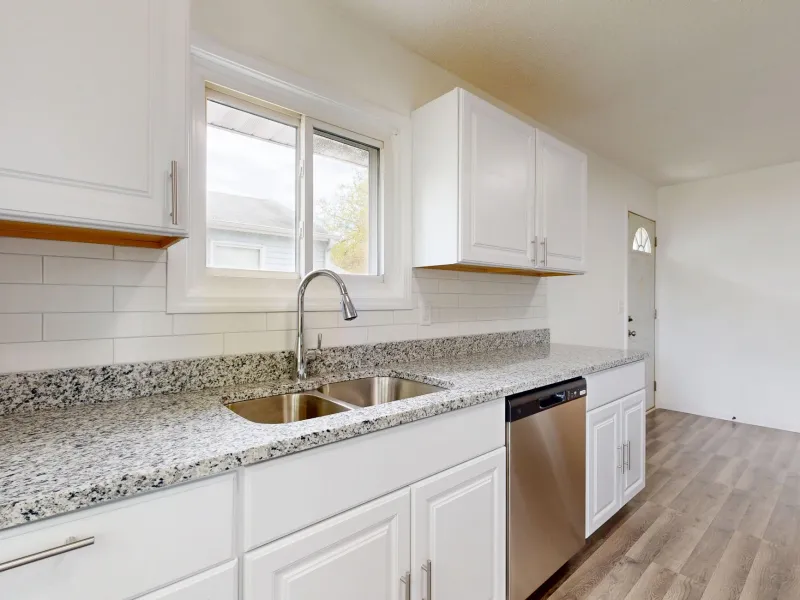
For a solid decade, granite countertops were basically the universal symbol of a "nice kitchen." Real estate listings leaned hard on them. Renovation shows treated them like the finish line. And Cincinnati homeowners spent serious money to get them.
But something has shifted. Walk through a freshly renovated kitchen in Hyde Park or Oakley these days and you're just as likely to find quartz, butcher block, or even concrete underfoot — or rather, under your coffee mug. The granite love affair isn't completely dead, but it's definitely complicated. Here's why so many homeowners are rethinking the countertop they once considered the gold standard.
The Maintenance Reality Nobody Warned You About
Granite is a natural stone, which means it's porous. And porous means it needs to be sealed — regularly, consistently, and honestly, more often than most people actually do it. Skip a sealing cycle and you're looking at potential staining from red wine, olive oil, or even acidic foods like tomatoes.
Talk to any Cincinnati homeowner who's had granite for five-plus years and you'll hear the same story: it's beautiful, but it requires attention. For busy households with kids, frequent cooking, or just a general preference for low-maintenance living, that trade-off starts to feel less worth it over time.
Marble is even more demanding. It etches. It stains. It scratches. Many homeowners who installed marble counters for that dreamy, European-kitchen look found themselves treating the surface like a museum artifact rather than a functional workspace.
Quartz Moved In and Made Itself at Home
Engineered quartz has become the most common granite alternative in Cincinnati kitchen renovations, and for pretty straightforward reasons. It's non-porous, so it doesn't need sealing. It's highly resistant to staining. It comes in a staggering range of colors and patterns — including options that mimic marble without marble's drama.
From a cost standpoint, mid-range quartz and mid-range granite land in similar territory, typically somewhere between $50 and $120 per square foot installed depending on the slab you choose. But when you factor in the long-term cost of sealing, potential repairs, and general upkeep, quartz often wins the cost-per-year comparison.
The visual options have also improved dramatically. Earlier quartz products had a slightly synthetic, flat look that gave them away immediately. Today's engineered slabs have depth, variation, and veining that holds up surprisingly well against natural stone — at least to the casual eye.
Butcher Block Is Having a Serious Moment
If quartz is the practical choice, butcher block is the soul choice. There's something about a warm wood countertop that makes a kitchen feel genuinely lived-in, and Cincinnati homeowners renovating older bungalows, Craftsman homes, and cottages have been gravitating toward it in a big way.
The appeal is partly aesthetic — butcher block adds warmth that stone simply can't replicate — but it's also financial. A quality butcher block countertop typically runs $30 to $60 per square foot installed, making it one of the more budget-friendly options out there. For homeowners doing a full kitchen renovation who need to allocate dollars carefully, that savings can get redirected toward cabinets, lighting, or appliances.
The honest caveat: butcher block does require maintenance. It needs to be oiled periodically, and it can stain or scratch if you're not careful. But many homeowners actually find that easier to deal with than stone, partly because minor damage can be sanded out and refinished — something you can't do with granite.
Concrete: Not Just for Basements Anymore
Concrete countertops occupy a niche but devoted corner of the Cincinnati renovation market. They're custom-poured, which means they can be shaped to fit unusual layouts, incorporate built-in features like drainboards, and come in a range of colors and finishes.
The aesthetic is decidedly modern-industrial, which makes concrete a natural fit for contemporary kitchen designs or spaces that lean into an urban, loft-style vibe. Cost-wise, expect to pay more than granite in most cases — good concrete countertop work is labor-intensive — but the result is genuinely one-of-a-kind.
Like granite, concrete is porous and needs sealing. But many homeowners who choose it are doing so deliberately, eyes wide open, because they want the material's distinct character. The slight imperfections and patina that develop over time are part of the appeal, not a flaw.
What Does This Mean for Resale Value?
Here's where things get nuanced. Granite still has strong name recognition with buyers, and some Cincinnati real estate agents will tell you it's safer to stick with stone if you're planning to sell in the next couple of years. Buyers who grew up associating granite with quality may still respond to it positively.
That said, quartz has largely caught up in buyer perception. Most home shoppers today recognize quartz as a premium material and respond to it accordingly. Butcher block and concrete are more polarizing — some buyers love them, others see them as a project.
The bigger picture? Dated granite — think heavy brown and gold tones from the mid-2000s — can actually hurt a kitchen's appeal more than a fresh, well-chosen alternative material. A worn, unstained butcher block or a clean quartz slab in a modern color palette will likely read better to buyers than tired stone that screams 2008.
So Should You Ditch the Stone?
Not necessarily. If you love the look of natural stone and you're committed to maintaining it properly, granite and quartzite are still excellent materials. There are stunning slabs being installed in Cincinnati kitchens right now that will look beautiful for decades.
But if you've been defaulting to granite because it feels like the "right" choice — the safe, expected, everyone-does-it option — it's worth stepping back and asking what you actually want out of your countertops. How do you cook? How much maintenance are you realistically going to do? What's your design direction?
The countertop conversation has genuinely evolved over the past five years. The good news is that homeowners now have more excellent options than ever, and none of them require settling for something that doesn't fit how you actually live in your kitchen.