Forget the Subway Tile: Cincinnati Kitchens Are Going Rogue with Their Backsplashes
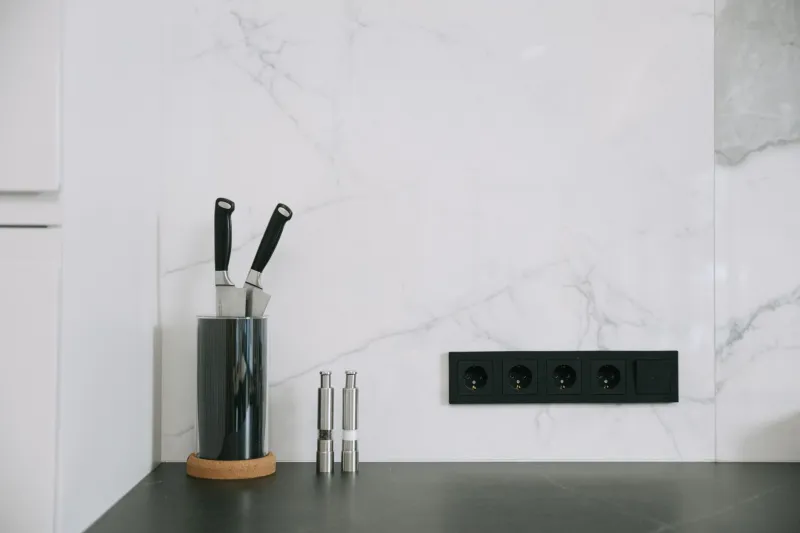
For about a decade, the answer to "what should I put behind my stove?" was almost always the same: white subway tile, maybe with a dark grout if you were feeling adventurous. Clean, classic, safe. And honestly? A little boring.
Cincinnati homeowners are pushing back. Not dramatically, not all at once, but in a steady, confident shift toward backsplash materials that feel more like a deliberate design choice and less like a default setting. Shiplap, unlacquered brass sheeting, poured concrete, bold patterned wallpaper, reclaimed wood, even leather tile—these are showing up in kitchens across Hyde Park, Oakley, and Westwood, and they're changing the whole personality of the space.
So what's driving the rebellion, and more importantly, which of these alternatives actually hold up over time?
Why the Backsplash Became the Kitchen's Personality Test
The backsplash used to be purely functional—a splash guard between your cooking surface and your drywall. But as kitchen renovations became bigger investments and homeowners started treating their kitchens more like living spaces than utility rooms, that strip of real estate between the counter and the upper cabinets turned into prime design territory.
It's also one of the more approachable places to take a risk. You're not committing to a full cabinet color overhaul or ripping out countertops. A backsplash is bounded, contained, and in many cases, reversible. That lower stakes environment makes it a natural place to try something you'd never put anywhere else in the house.
The result? Cincinnati kitchens that feel genuinely individual rather than catalog-ready.
The Contenders: What's Actually Out There
Shiplap and Wood Paneling
Yes, shiplap is still happening. But the way it's being used has evolved. In Cincinnati kitchens, you're seeing it paired with deep cabinet colors—navy, forest green, charcoal—where it adds texture without competing. The farmhouse-chic version has largely given way to something quieter and more intentional.
The honest maintenance conversation: wood behind a stove is not a casual choice. Grease accumulates in those horizontal grooves, and without a proper sealant (and vigilant cleaning), you're looking at staining and warping within a few years. It works best away from direct heat—think the section behind the sink or along a coffee station wall rather than the cooking zone.
Concrete and Plaster Finishes
Poured or troweled concrete gives Cincinnati kitchens a raw, architectural feel that's hard to replicate with any other material. It photographs beautifully, ages interestingly, and pairs well with both modern minimalist designs and more industrial-leaning spaces.
The catch is that concrete is porous unless properly sealed, and even then it requires some ongoing attention. Acidic foods—tomatoes, citrus, wine—can etch the surface if spills sit too long. Homeowners who go this route tend to be the type who wipe down as they cook, not after. If that's not you, concrete might be a headache in disguise.
Metal Sheeting and Panels
Stainless steel backsplashes have been a restaurant kitchen staple forever, but Cincinnati homeowners are now reaching for warmer metals—unlacquered brass, copper, blackened steel, even bronze-toned aluminum panels. These add warmth and a handcrafted quality that ceramic tile rarely achieves.
Unlacquered brass in particular develops a patina over time, which some homeowners love and others find anxiety-inducing. If you want it to stay shiny, you'll need to polish it. If you embrace the change, it becomes more beautiful as it ages. Know which camp you're in before you commit.
Patterned Wallpaper
This one raises eyebrows, but hear it out. Moisture-resistant, scrubbable wallpapers have come a long way, and when used in the right zone—behind open shelving, along a breakfast nook wall, or in a kitchen with minimal direct splatter risk—they can add pattern and personality that tile simply can't match.
The key word is "zone." Nobody is recommending wallpaper directly behind a gas burner. But in a larger kitchen where the backsplash runs across multiple walls, mixing a wallpapered section with a more durable material near the cooking area is a legitimate design move.
Reclaimed and Specialty Materials
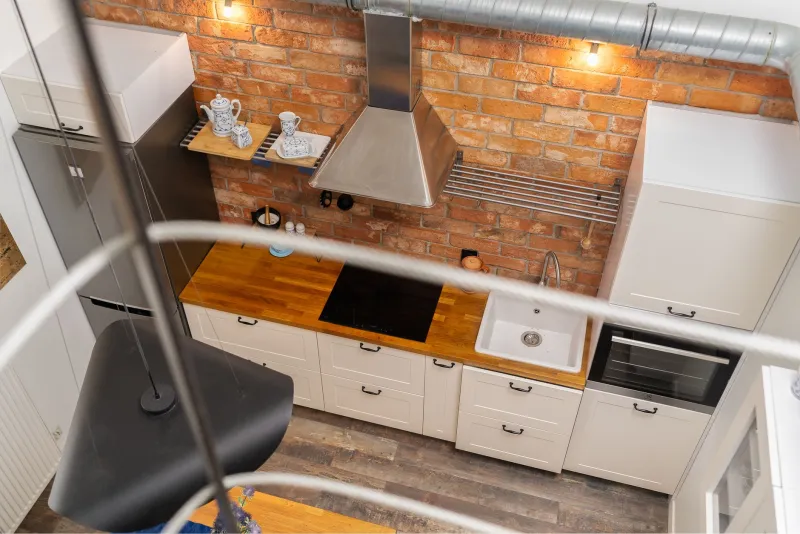
Reclaimed brick, salvaged tin ceiling tiles, cork, even woven leather panels are all making appearances in Cincinnati renovation projects. These materials tend to work best when they connect to something already present in the home—an exposed brick wall in another room, original tin ceilings in an older Craftsman, a design sensibility that runs throughout the house.
When they feel disconnected, they look like a statement for statement's sake. When they tie into the broader story of the home, they feel inevitable.
How to Know If Your Kitchen Can Pull It Off
The most common mistake Cincinnati homeowners make with unconventional backsplashes is choosing a material in isolation—falling in love with a photo online without thinking about whether it actually fits the kitchen they have.
A few questions worth asking before you commit:
Does the material connect to something else in the space? An unexpected backsplash that echoes a texture, color, or finish already present in the kitchen feels cohesive. One that appears out of nowhere feels random.
What's your cooking style? High-heat, high-splatter cooking (think wok cooking, deep frying, heavy sauce work) demands a more forgiving surface than someone who mostly makes salads and reheats takeout. Be honest about how your kitchen actually gets used.
Are you chasing a trend or expressing something genuine? Some of these alternatives will date themselves faster than subway tile ever did. The ones that tend to age well are the ones rooted in the homeowner's actual taste, not whatever was on a mood board last spring.
What's your maintenance tolerance? This is the question most people skip, and it's the one that matters most five years in. Sealed concrete, unlacquered brass, and reclaimed wood all require more attention than glazed ceramic. There's no wrong answer, but there is a wrong assumption—which is that any of these are as low-maintenance as tile.
The Bottom Line
The backsplash rebellion isn't about rejecting good design—it's about expanding the definition of it. Cincinnati kitchens that feel most alive right now are the ones where someone made a real choice rather than a default one, even if that choice is a little unexpected.
That said, unexpected doesn't mean impractical. The best non-traditional backsplashes in Cincinnati homes are the ones where the homeowner thought through both the look and the reality of living with it. Get both of those right, and you've got a kitchen that feels genuinely yours—not just well-renovated.